Why Meal Distribution Matters for Vulnerable Communities
Understanding Hunger in Urban Communities
Hunger remains one of the most urgent challenges faced by vulnerable communities. In many urban areas, families living in slum settlements, daily wage workers, and homeless individuals struggle to secure regular meals. Rising living costs, unstable employment, and limited access to resources make food insecurity a daily reality for many people.
For these communities, a warm meal is not simply food—it represents dignity, comfort, and the reassurance that someone cares. Meal distribution programs organized by community organizations and NGOs play a crucial role in addressing this need and supporting individuals who would otherwise go hungry.
The Role of Meal Distribution Programs
Meal distribution initiatives focus on providing fresh, nutritious food directly to people who need it most. These programs ensure that food reaches individuals who may not have the resources or ability to access regular meals.
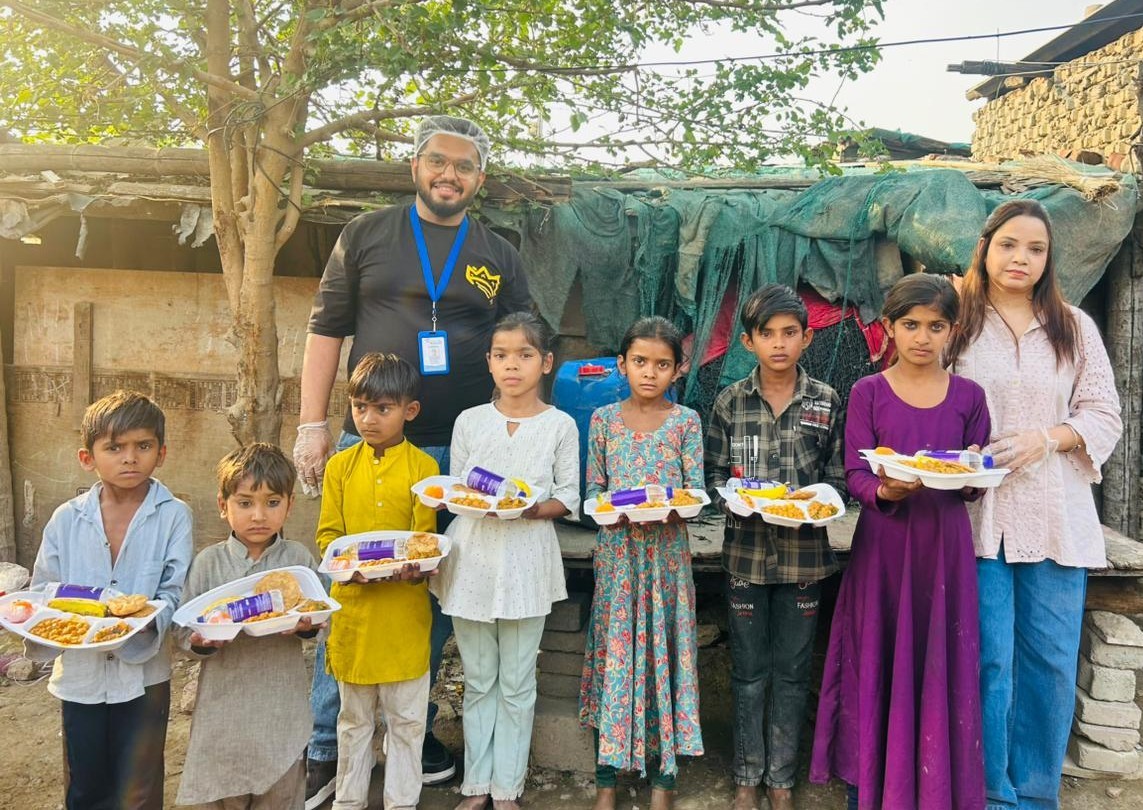
Helping Life Foundation’s meal distribution program serves different groups in need, including slum communities, hospital caregivers, and individuals experiencing homelessness. By reaching people in their everyday environments, the program ensures that help is accessible and immediate.
Providing meals in these spaces not only addresses hunger but also creates a sense of community and support for individuals facing difficult circumstances.
Supporting Families and Children
Food insecurity affects families in multiple ways. Children who lack proper nutrition may struggle to concentrate in school, experience fatigue, and face long-term health challenges. When families receive regular meal support, children are more likely to stay healthy, active, and engaged in their education.
Meal distribution programs help families redirect their limited financial resources toward other essential needs such as healthcare, education, and housing. This simple act of providing food can significantly improve the stability and well-being of households.
Helping Caregivers and Patients at Hospitals
Hospitals often see families waiting long hours while their loved ones receive treatment. Many caregivers travel from distant areas and may not have the time or money to purchase meals during their stay.
Meal distribution efforts near hospitals provide support to these caregivers during stressful and emotional moments. A warm meal offers not only nourishment but also comfort during a difficult time.
Helping Life Foundation works to serve meals to patient attendants and families near hospitals, ensuring they have access to food while focusing on the health of their loved ones.
Reaching People Living on the Streets
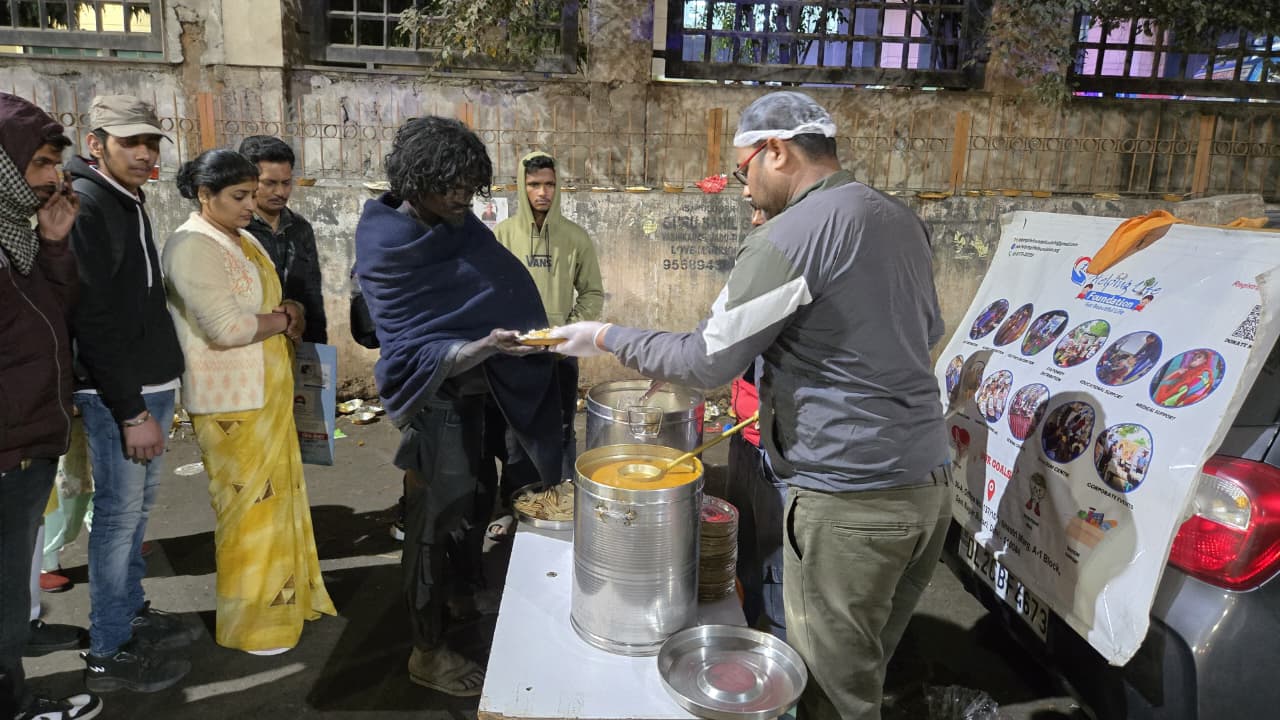
For individuals living without shelter, access to food is uncertain and inconsistent. Many rely on irregular help from passersby or small charities. Without stable income or cooking facilities, obtaining regular meals becomes extremely challenging.
Meal distribution initiatives that reach people directly on streets and public spaces help reduce this uncertainty. By serving freshly prepared meals, volunteers ensure that vulnerable individuals receive nourishment with dignity and respect.
These moments of support also create human connection, reminding people that they are not invisible or forgotten.
Creating Community Impact Through Compassion
Meal distribution is not only about feeding people—it is about building a culture of compassion and collective responsibility. Volunteers, donors, and community members come together to support individuals facing hardship.
Through these efforts, communities become stronger and more connected. Small acts of kindness, such as serving a meal, can inspire hope and encourage others to participate in helping those in need.
Helping Life Foundation believes that every meal served carries a message of care, dignity, and humanity.
How You Can Support Meal Distribution Efforts
Sustaining meal distribution programs requires continuous community support. Individuals can contribute in many ways, including volunteering their time, donating resources, or helping spread awareness about hunger relief initiatives.
Every effort, no matter how small, contributes to ensuring that more people receive the nourishment they need.
When communities come together with compassion and purpose, it becomes possible to transform hunger into hope.


Continue Reading
Explore more stories from the field that reflect compassion, action, and community support.